```html
Bitumen Driveway Snow and Heat Performance in Brisbane 2026
Brisbane's climate presents unique challenges for bitumen driveway maintenance, particularly as weather patterns continue to evolve in 2026. While the city rarely experiences snow, the combination of intense heat, occasional frost, and subtropical weather conditions demands careful consideration when selecting and maintaining asphalt driveways. Understanding how bitumen performs under these specific environmental stresses helps Brisbane Southside property owners make informed decisions about their driveway investments.
Understanding Bitumen Driveway Performance in Brisbane's Climate
Bitumen, the binding agent in asphalt driveways, responds dramatically to temperature fluctuations. Brisbane's subtropical climate creates distinct seasonal patterns that affect bitumen performance differently than cooler climates. Summer temperatures frequently exceed 35 degrees Celsius, while winter temperatures occasionally dip to near freezing, particularly in early morning hours. This temperature variance causes bitumen to expand and contract, creating stress on the driveway structure.
The thermal cycling experienced in Brisbane is particularly challenging for bitumen integrity. When temperatures rise rapidly during the day, bitumen softens and becomes more pliable. Conversely, cooler nights cause it to harden and contract. Over multiple seasons, this repeated expansion and contraction weakens the bitumen binder, leading to cracking, rutting, and surface deterioration. Property owners in Brisbane Southside should recognize that these natural weather patterns are primary factors influencing driveway lifespan.

Heat Impact on Asphalt Driveways
Brisbane's intense summer heat presents the most significant challenge for bitumen driveway longevity. Extended periods above 35 degrees Celsius cause bitumen to soften excessively, reducing its structural integrity. During these peak heat conditions, vehicles parked on driveways can create permanent depressions or ruts in the asphalt surface. Heavy vehicles parked in the same location during hot weather are particularly problematic, as the weight combined with softened bitumen causes localized deformation.
The ultraviolet radiation component of Brisbane's intense sunlight accelerates bitumen oxidation. This chemical process breaks down the bitumen binder at the molecular level, causing the asphalt surface to become brittle and prone to cracking. Over time, oxidized bitumen loses its flexibility, making the driveway more susceptible to damage from thermal stress and vehicle traffic. This is why many Brisbane Southside driveways develop a faded, greyish appearance—this discoloration indicates progressive oxidation.
Heat also accelerates moisture evaporation from the asphalt structure. While this might seem beneficial, it actually causes problems. The loss of moisture from the asphalt base creates internal voids and weakens the material's cohesion. These microscopic gaps eventually develop into larger cracks as the material continues to degrade. Additionally, the loss of moisture reduces the effectiveness of the asphalt binder, compromising the driveway's ability to hold aggregate particles in place.
Cold Weather and Frost Considerations
Although Brisbane rarely experiences significant snow, winter frost still impacts bitumen driveway performance. When temperatures drop to near freezing, any moisture present in micro-cracks or within the asphalt structure can freeze. Water expands approximately nine percent when it freezes, creating internal pressure that forces cracks to widen. This freeze-thaw cycle, even on a smaller scale than experienced in southern Australia or overseas, contributes to progressive driveway deterioration.
Brisbane's unpredictable winter weather—with occasional cold snaps following warm periods—creates particular stress. A driveway that experiences warm days followed by cold nights undergoes rapid thermal cycling that accelerates bitumen fatigue. The bitumen becomes brittle during cold periods and overly soft during warm periods, never achieving an optimal state. This constant adjustment weakens the material's structural properties over successive seasonal cycles.
While snow itself is extremely rare in Brisbane, the occasional frost that occurs on winter mornings can create hazardous conditions on bitumen driveways. The slippery surface created by frost presents safety risks for both pedestrians and vehicles. Property owners should be aware that their bitumen driveway may become slippery during these cold periods, requiring appropriate caution when using the driveway.
Moisture Management and Drainage
Proper drainage is essential for protecting bitumen driveways in Brisbane's subtropical climate. The region experiences significant rainfall, particularly during the wet season. Water that penetrates the asphalt surface and reaches the base layers weakens the structural integrity of the entire driveway system. Standing water on a driveway surface indicates inadequate drainage and should be addressed promptly.
Brisbane Southside property owners should ensure their driveways are properly graded to direct water away from the home and surrounding structures. A minimum slope of two percent is recommended to facilitate adequate drainage. Additionally, maintaining clear gutters and downspouts prevents water from flowing across the driveway surface. Regular cleaning of the driveway surface removes debris that might trap moisture in cracks or depressions.
Sealing a bitumen driveway creates a protective barrier that reduces moisture penetration. In Brisbane's climate, where heat and moisture are both significant factors, quality sealcoating provides substantial benefits. A well-maintained seal extends the driveway's lifespan by protecting the underlying bitumen from oxidation and moisture intrusion. Sealcoating should be reapplied every two to three years in Brisbane's demanding climate conditions.
Maintenance Strategies for Brisbane Conditions
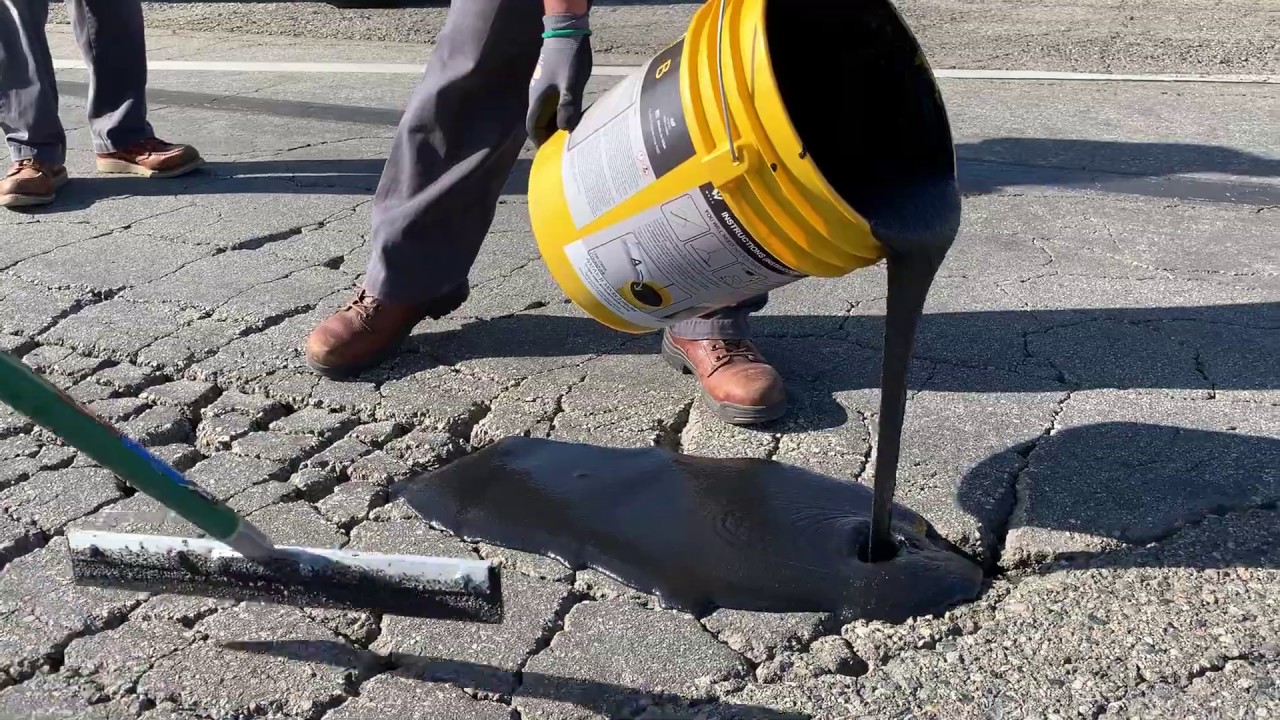
Effective maintenance is crucial for maximizing bitumen driveway lifespan in Brisbane's challenging climate. Regular inspection allows property owners to identify and address problems before they become severe. Cracks should be sealed promptly to prevent water penetration. Small cracks can be filled with specialized crack sealant, while larger cracks may require more extensive repairs.
Cleaning the driveway regularly removes dirt, algae, and organic matter that can trap moisture and accelerate deterioration. Pressure washing can be effective, but excessive pressure may damage the asphalt surface. A moderate pressure setting combined with appropriate detergents provides effective cleaning without causing harm. Removing oil stains promptly prevents the oils from breaking down the bitumen binder.
https://martinlxjv466.huicopper.com/bitumen-carpark-maintenance-schedule-for-property-managers
Property owners should avoid parking heavy vehicles in the same location during hot weather, as this accelerates rutting and permanent deformation. Rotating parking locations distributes the load across different areas of the driveway, extending overall lifespan. Similarly, minimizing exposure to direct sunlight—where feasible through shade structures or tree coverage—reduces heat-related stress on the bitumen.
Asphalt Resurfacing and Repair Options
When bitumen driveways reach the end of their serviceable life, asphalt resurfacing provides a cost-effective renewal option. Resurfacing involves applying a new layer of asphalt over the existing driveway surface, provided the base layer remains structurally sound. This approach is significantly less expensive than complete removal and replacement, while providing a durable, long-lasting solution.
For commercial properties, bitumen carpark maintenance follows similar principles to residential driveway care, though the greater traffic volume and heavier vehicles create more intensive wear patterns. Regular seal coating and prompt crack repair are essential for maintaining commercial bitumen surfaces in Brisbane's climate.
Property owners should consult with qualified asphalt specialists to assess their driveway's condition and determine the most appropriate maintenance or repair approach. Professional assessment ensures that recommended solutions address the specific challenges presented by Brisbane's climate and the individual driveway's condition.
Choosing Quality Materials and Installation
The quality of initial installation significantly impacts how well a bitumen driveway performs in Brisbane's climate. Premium-grade bitumen binders and properly graded aggregate materials provide better performance than lower-grade alternatives. While quality materials increase initial costs, they deliver superior longevity and require less maintenance over the driveway's lifespan.
Proper installation techniques are equally important. The asphalt must be compacted to appropriate density levels, and the finished surface should be smooth and properly sloped for drainage. Professional installation ensures these critical factors are addressed correctly, establishing the foundation for long-term driveway performance.
Conclusion
Brisbane's unique climate—characterized by intense summer heat, occasional winter cold snaps, and significant rainfall—creates specific performance challenges for bitumen driveways. Understanding these climate-related stresses empowers property owners to make informed decisions about driveway selection, maintenance, and repair. Regular maintenance, prompt repairs, quality sealcoating, and professional assessment form the foundation of a long-lasting bitumen driveway investment. By implementing these strategies, Brisbane Southside property owners can maximize their driveway's lifespan and maintain an attractive, functional surface that withstands the region's demanding environmental conditions.

```
Asphalt Driveways Brisbane Southside
Unit 5/30 McKechnie Dr, Eight Mile Plains QLD 4113, Australia
ph. (07) 3132 3631